
Contents
1. The Cultural Significance of Cherry Blossoms in Japan
Cherry blossoms, known as “sakura” in Japanese, hold a profound cultural significance in Japan that goes far beyond their fleeting beauty. For centuries, they have been a symbol of the transient nature of life, capturing the essence of “mono no aware”—an awareness of impermanence and a gentle sadness that comes with it. This concept is deeply rooted in Japanese philosophy and aesthetics, shaping not only the arts but also daily attitudes and behaviors.
Historically, cherry blossoms were first celebrated by the imperial court during the Heian period (794–1185), where aristocrats would compose poetry inspired by the delicate petals. Over time, this appreciation spread to the samurai class and eventually to the general public. Today, sakura are a national symbol, appearing on everything from 100 yen coins (approximately $0.66 USD) to corporate logos and even government documents.
The blooming of cherry blossoms signals a new beginning. It coincides with the start of the school year and the fiscal year in April, reinforcing themes of renewal and fresh starts. Many Japanese people associate sakura with memories of graduations, job entrances, and major life transitions, making the flowers emotionally significant beyond their visual appeal.
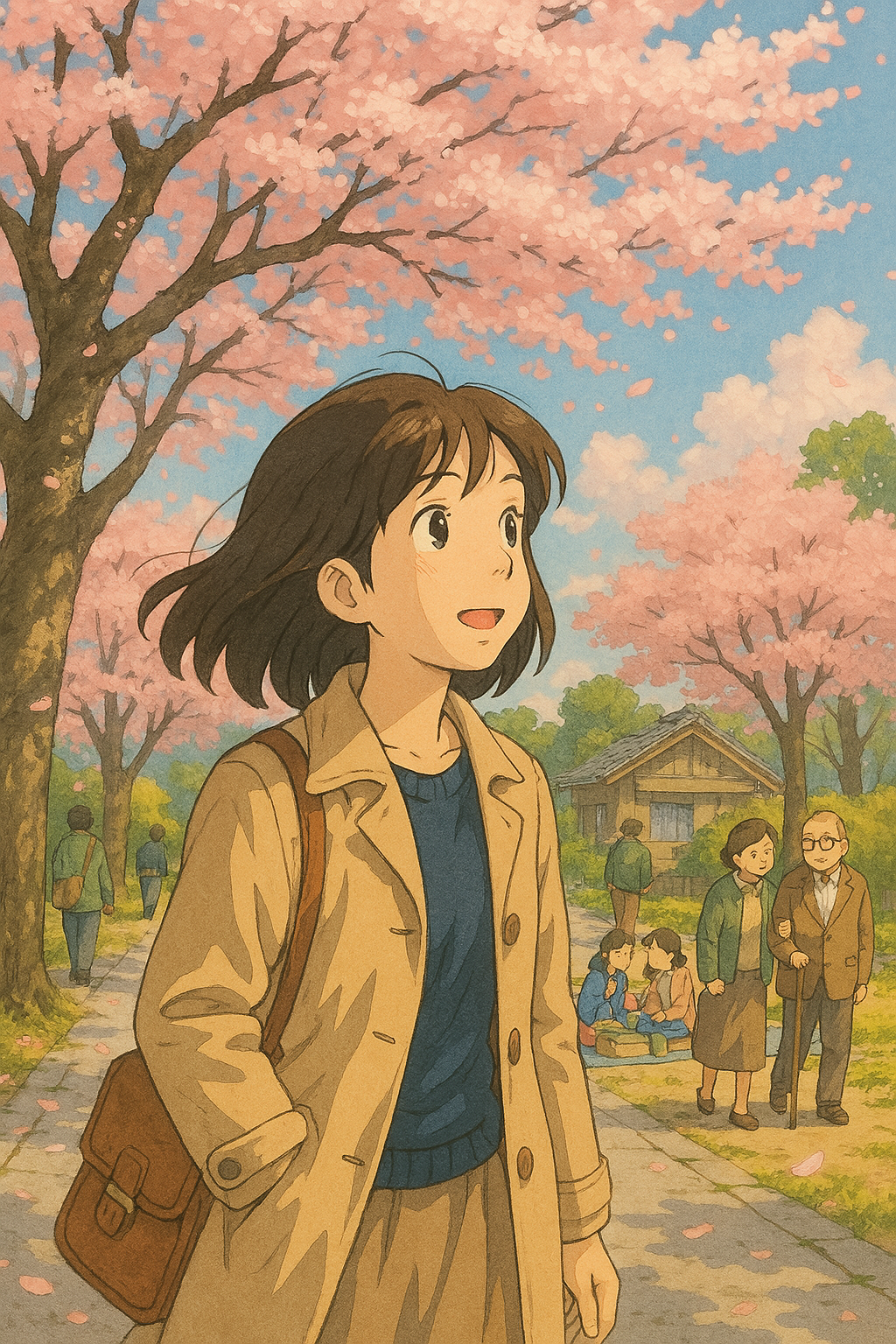
Public and private events are often planned around the sakura season. The tradition of “hanami,” or flower viewing, is a major annual social activity where friends, families, and coworkers gather under blooming cherry trees to share food, drinks, and stories. These gatherings reflect not only appreciation for nature but also a collective spirit that values community bonding.
Moreover, cherry blossoms influence many aspects of consumer culture. Limited-edition sakura-themed products—from beverages and desserts to clothing and stationery—are eagerly anticipated each spring. These seasonal goods not only highlight the deep cultural integration of sakura but also boost the economy through increased sales and tourism.
In essence, cherry blossoms are more than a seasonal attraction in Japan. They are woven into the cultural, emotional, and economic fabric of the nation. Their short-lived beauty serves as a gentle reminder to live in the moment, appreciate everyday experiences, and stay connected to nature and community.
2. Seasonal Changes and Daily Routines During Sakura Season
In Japan, the arrival of cherry blossom season marks a significant shift not only in the landscape but also in people’s daily routines and overall mood. As the sakura begin to bloom, typically from late March to early April depending on the region, daily life becomes more centered around nature and seasonal appreciation. The entire country follows the “sakura front,” a forecast map that shows the blooming progression from the south to the north, influencing travel plans, event scheduling, and even business activities.
One of the most noticeable changes is in the morning and evening routines of individuals. People are more likely to go for early walks or evening strolls to enjoy the blooming trees in nearby parks, riversides, or temple grounds. Commuters may take scenic detours on their way to work or school just to capture a few moments under the blossoms. It’s not uncommon to see people stopping to take photos, or simply pausing to admire the petals floating through the air.
Workplaces and schools often incorporate the season into their schedules. Companies may organize hanami picnics for employees as a team-building activity, while schools might plan outdoor events or use sakura-themed learning materials to engage students. Even convenience stores and supermarkets reflect the season, with sakura-themed bentos, snacks, and drinks filling the shelves. These limited-time products often range in price from ¥150 to ¥600 (approximately $1.00 to $4.00 USD), adding a sense of seasonal joy to everyday purchases.
Daily attire also reflects the change in season. Many people wear lighter clothes and incorporate pastel or floral patterns to match the springtime atmosphere. Beauty and skincare products with cherry blossom scents become popular, and people take extra care in their appearance as social gatherings increase during this festive time.
Transportation and travel routines adjust as well. Families and tourists often plan weekend trips to famous sakura spots such as Kyoto’s Philosopher’s Path or Ueno Park in Tokyo. Trains may be more crowded, and accommodations see a spike in prices and bookings. The economic impact of this seasonal shift is substantial, with tourism and seasonal sales contributing significantly to local economies.
Ultimately, the cherry blossom season brings a heightened awareness of the natural world and encourages people to slow down and savor the moment. It alters routines in subtle yet meaningful ways, creating a shared national rhythm that unites people through nature, beauty, and tradition.
3. Hanami: Social Traditions and Modern Interpretations
Hanami, which literally means “flower viewing,” is one of Japan’s most cherished seasonal traditions. Centered around the appreciation of cherry blossoms, hanami brings people together in parks, gardens, and riversides to enjoy the fleeting beauty of sakura in full bloom. This practice dates back over a thousand years, with its origins in the Heian period when the Japanese imperial court held poetry gatherings beneath blooming cherry trees. Over time, the tradition spread across all social classes and evolved into the widespread cultural event it is today.
Traditional hanami involves gathering with family, friends, or coworkers under sakura trees to share food, drinks, and laughter. Blue picnic tarps are spread out early in the morning to reserve the best spots, especially in popular locations like Shinjuku Gyoen in Tokyo or Maruyama Park in Kyoto. Bento boxes filled with seasonal treats such as sakura-mochi, tempura, and onigiri are staples of the event. People also bring sake or beer, contributing to a festive and relaxed atmosphere. The cost of a hanami picnic can range from ¥1,500 to ¥5,000 (about $10 to $33 USD), depending on the group size and location.
In recent years, modern interpretations of hanami have emerged, reflecting changes in lifestyle and technology. Some people prefer a quieter, more introspective hanami experience, opting to enjoy the blossoms alone or during early morning hours to avoid crowds. Others participate in “digital hanami” by watching live streams of famous cherry blossom spots or sharing blossom photos on social media platforms like Instagram and X (formerly Twitter). Hashtags such as #hanami and #sakura create a sense of community that transcends physical borders.
Commercial events and themed experiences have also become part of contemporary hanami culture. Restaurants and cafes offer sakura-inspired menus, hotels provide blossom-viewing packages, and night-time “yozakura” (evening cherry blossom viewing) events feature illuminated trees accompanied by live music or traditional performances. These modern additions make hanami more accessible and appealing to younger generations and international visitors.
Despite these evolving trends, the heart of hanami remains unchanged—it is a time to pause, gather, and appreciate the transient beauty of life symbolized by the falling petals. Whether through a traditional picnic or a modern digital tribute, hanami continues to play a vital role in Japanese daily life during the sakura season, reinforcing the connection between nature, community, and cultural identity.
4. Cherry Blossoms in Japanese Art, Food, and Fashion
Cherry blossoms, or sakura, are more than a seasonal spectacle in Japan—they are an enduring motif that influences art, cuisine, and fashion in deeply rooted and evolving ways. Their soft pink petals and fleeting nature inspire creativity and evoke emotional expression, serving as both a visual and symbolic element in various aspects of Japanese culture.
In traditional Japanese art, sakura frequently appear in paintings, woodblock prints (ukiyo-e), poetry, and ceramics. Renowned artists like Utagawa Hiroshige and Katsushika Hokusai often incorporated cherry blossoms into their works to capture the harmony between nature and human life. Even today, contemporary Japanese artists use sakura as a metaphor for themes like time, memory, and renewal, reflecting the cultural value placed on transience and beauty.
Sakura’s influence extends to seasonal foods that appear each spring. Many Japanese sweets (wagashi) are crafted with cherry blossom leaves or flowers, such as sakura mochi—a pink rice cake wrapped in a salted cherry leaf. Cafes and convenience stores release limited-edition treats like sakura lattes, cherry blossom-flavored KitKats, and seasonal pastries. These products are typically priced between ¥120 to ¥800 (approximately $0.80 to $5.30 USD) and often come in beautifully designed packaging, making them popular as seasonal gifts or souvenirs.
Fashion also blooms during cherry blossom season. Clothing brands release spring collections inspired by the soft hues of sakura, featuring floral prints, pastel colors, and lightweight fabrics. From traditional kimono adorned with cherry blossom motifs to modern streetwear and accessories, sakura themes are embraced across generations and styles. During hanami, many people take the opportunity to dress up in festive, seasonally appropriate outfits, often incorporating pink, white, and lavender tones that mirror the blossoms themselves.
Cherry blossoms also influence beauty trends. Makeup products such as lip tints, blushes, and eyeshadows in sakura shades become bestsellers during spring, and skincare brands launch special cherry blossom-scented lines. These products often emphasize freshness and natural beauty, aligning with the soft, ephemeral appeal of the flowers.
In essence, cherry blossoms are woven into the fabric of Japanese aesthetic life. From the elegance of traditional arts to the playful charm of seasonal snacks and stylish fashion choices, sakura remain a timeless muse. Their presence in everyday items and experiences reflects the Japanese appreciation for seasonal change and the art of finding beauty in the briefest of moments.
5. Emotional Connections and Reflections Inspired by Sakura
Cherry blossoms in Japan are more than just beautiful flowers—they are powerful emotional symbols that evoke deep feelings of nostalgia, hope, and impermanence. For many Japanese people, sakura trigger a profound sense of reflection, often tied to personal memories and life transitions. This emotional connection has been cultivated over centuries and continues to influence both individual sentiment and collective cultural identity.
The blooming period of cherry blossoms is famously short, usually lasting only one to two weeks. This fleeting nature serves as a poignant reminder of the transience of life—a concept deeply rooted in the Japanese philosophy of “mono no aware,” which emphasizes sensitivity to the ephemeral. As the blossoms bloom and fall, they encourage people to reflect on the past, appreciate the present, and accept the inevitability of change. These moments of introspection often occur during hanami gatherings, quiet walks under the trees, or even while watching petals drift through the wind.
Sakura are also closely associated with milestones and new beginnings. Since the school year and fiscal year in Japan both begin in April—coinciding with cherry blossom season—many people associate sakura with memories of graduation ceremonies, new jobs, and other life transitions. These flowers become symbolic markers in people’s personal histories, representing both endings and fresh starts. A simple glimpse of blooming sakura can bring back vivid memories of youth, past relationships, or significant moments in time.
This emotional resonance is reflected in Japanese literature, music, and film. Countless songs and poems use sakura as a metaphor for love, loss, and the beauty of fleeting encounters. Modern pop songs, as well as traditional haiku, capture the emotional complexity that sakura inspire. Popular culture often uses cherry blossom imagery in scenes of farewell, reunion, or personal growth, reinforcing their role as emotional touchstones.
Even consumer experiences reflect this sentimentality. Seasonal products, from sakura-themed greeting cards to home décor, often carry messages of encouragement, farewell, or gratitude. A gift of sakura-inspired sweets, costing around ¥500 to ¥1,200 (approximately $3.30 to $8.00 USD), can be a heartfelt gesture to mark a goodbye or celebrate a new chapter. These emotional nuances enrich daily life during cherry blossom season and provide people with gentle moments of pause in an otherwise fast-paced world.
Ultimately, the emotional power of sakura lies in their ability to connect people—to their own memories, to each other, and to the natural rhythms of life. Through their short-lived beauty, cherry blossoms offer timeless lessons in appreciation, resilience, and the quiet strength found in letting go.
Discover Exclusive Japan-Only Items at Lawson: Must-Have Snacks, Drinks, and Merchandise

